
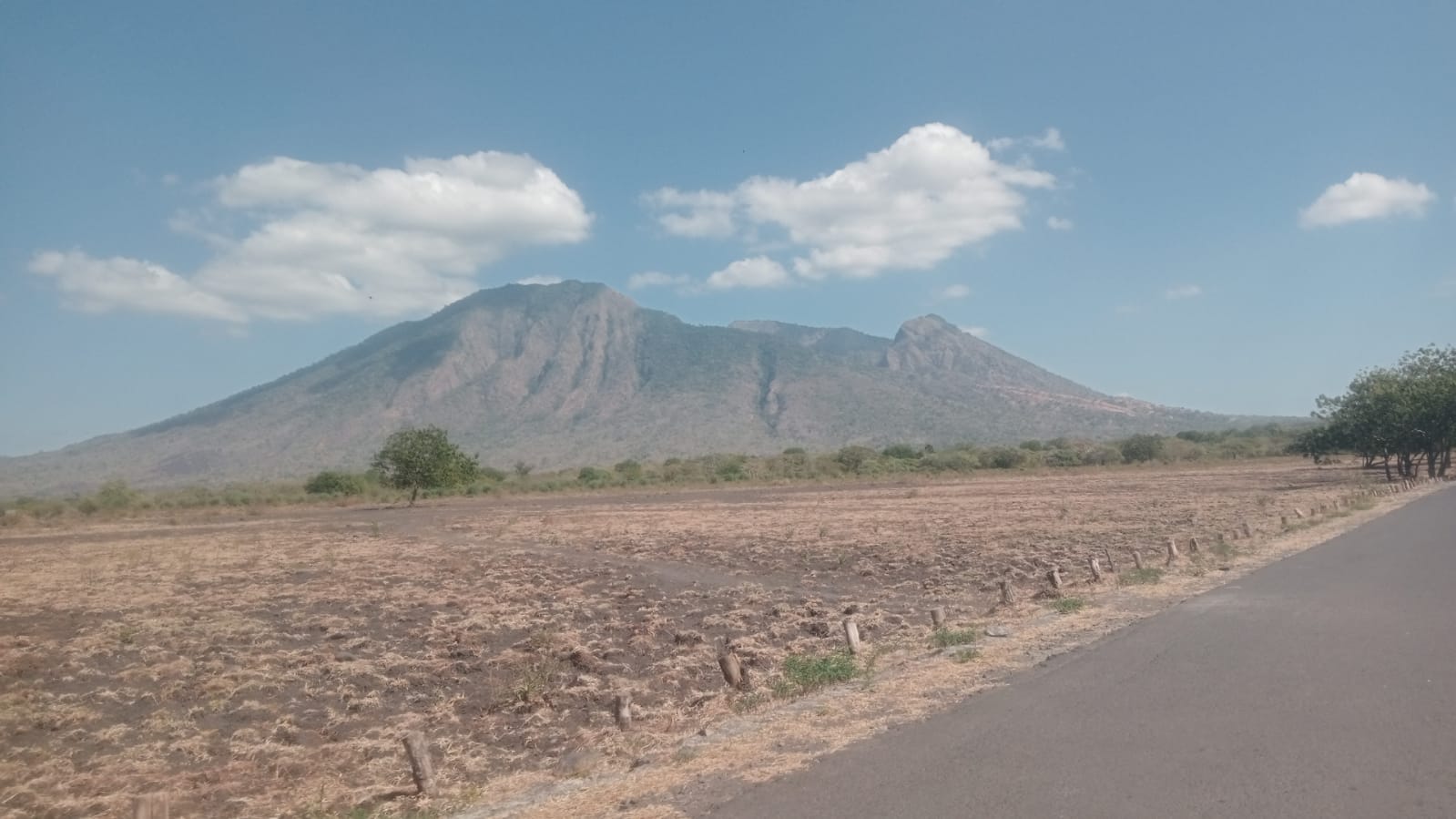

For many travelers from the USA, Indonesia may seem like a far-flung destination, but it has treasures that are absolutely worth the long journey. Among its countless natural wonders, Mount Bromo in East Java stands as one of the most breathtaking. With its otherworldly landscapes, smoking crater, and stunning sunrise views, a Mount Bromo Tour from USA America has become increasingly popular among adventurers, photographers, and cultural enthusiasts alike.
Why Choose Mount Bromo?
Mount Bromo, known locally as Gunung Bromo, is one of the most legendary natural landmarks in Indonesia. Situated within the Bromo Tengger Semeru National Park in East Java, this active volcano draws thousands of visitors every year who come to witness its surreal beauty and dramatic landscapes. For travelers coming all the way from the United States, Mount Bromo offers an experience that is not only visually stunning but also deeply cultural and spiritual. Here are some of the main reasons why you should include Mount Bromo in your Indonesia travel bucket list.
1. The Magical Sunrise Viewpoint
Perhaps the most famous attraction of Mount Bromo is its sunrise. Watching the first rays of light illuminate the volcanic landscape is an experience that has been described as nothing short of magical. The viewpoints, such as Kingkong Hill and Penanjakan Peak, offer panoramic views where you can see Mount Bromo smoking in the foreground, Mount Batok with its perfect cone shape, and Mount Semeru—the highest volcano in Java—towering in the distance. For photographers, it is a dream come true; for adventurers, it is an unforgettable moment of awe and serenity.
For American travelers who may have already seen the Grand Canyon sunrise or Yosemite’s Half Dome at dawn, the Bromo sunrise offers a completely different kind of spectacle. The combination of volcanic ash, mystical clouds, and golden sunlight creates a view that feels almost otherworldly.
2. The Sea of Sand – A Lunar Landscape on Earth
Surrounding Mount Bromo is the “Lautan Pasir” or the Sea of Sand—a vast plain of volcanic ash stretching as far as the eye can see. Walking across this desert-like terrain feels like stepping onto another planet. The barren yet beautiful landscape is often compared to a lunar surface or the set of a science fiction film. Jeep rides are the most popular way to cross the Sea of Sand, but adventurous travelers may also choose to hike or even ride horses, just as the local Tenggerese people do.
For visitors from the USA, especially those familiar with desert landscapes like Death Valley or Monument Valley, the Sea of Sand provides a new and unique perspective on nature—formed not by erosion or drought, but by volcanic forces.
3. The Thrill of an Active Crater
Mount Bromo is an active volcano, and visitors have the rare opportunity to climb right up to its crater rim. A steep staircase leads you to the edge, where you can peer into the smoking, rumbling heart of the earth. The strong smell of sulfur, the sight of rising steam, and the sound of the volcano’s deep rumble all combine to create an unforgettable sensory experience.
Unlike many volcanoes around the world that are off-limits due to safety concerns, Bromo allows controlled access, making it one of the few places where you can stand on the lip of an active crater. For American adventurers who love thrill-seeking experiences, this is a must-do highlight that combines adrenaline with awe.
4. Cultural Richness and the Tenggerese People
Beyond its natural wonders, Mount Bromo is also a place of deep cultural significance. The mountain is home to the Tenggerese people, an indigenous ethnic group descended from the ancient Majapahit Kingdom. They maintain their unique traditions, blending Hindu-Buddhist influences with local customs.
One of the most remarkable events is the Yadnya Kasada Festival, held annually during the full moon in the twelfth month of the Tenggerese calendar. During this ceremony, villagers make offerings of rice, fruits, vegetables, livestock, and even money into the crater of Mount Bromo to honor the mountain gods. Witnessing this festival is not just a visual spectacle—it’s a profound cultural experience that allows American travelers to connect with traditions that date back hundreds of years.
5. A Combination of Nature, Adventure, and Spirituality
What makes Mount Bromo truly special is the balance it offers: raw natural beauty, adventurous activities, and spiritual depth. Unlike a simple hiking destination, Bromo is a place where nature and culture intertwine. The landscapes appeal to photographers and explorers, the crater hike satisfies adventure seekers, and the local traditions captivate those interested in history and spirituality.
For travelers from the United States, where natural wonders like Yellowstone or the Grand Canyon are often admired for their scale and grandeur, Mount Bromo provides a refreshing contrast—smaller in size, yet equally powerful in atmosphere and significance.
Flights from the USA to Indonesia
1. Main Entry Points
There are no direct flights from the USA to Surabaya (the closest major airport to Bromo). Most American travelers arrive in Jakarta (Soekarno-Hatta International Airport) or Bali (Ngurah Rai International Airport) before connecting to Surabaya (Juanda International Airport).
2. Popular Flight Routes
-
USA → Singapore → Surabaya (Singapore Airlines, Scoot, or Jetstar)
-
USA → Jakarta → Surabaya (Garuda Indonesia, Batik Air, Citilink)
-
USA → Hong Kong/Tokyo → Jakarta/Bali → Surabaya (various airlines)
3. Average Travel Time
From the West Coast (Los Angeles, San Francisco), the total travel time is around 22–26 hours including layovers. From the East Coast (New York, Boston), it may take 24–30 hours.
3. Tips
-
Book flights 3–6 months in advance for the best prices.
-
Choose airlines with good layover hubs (Singapore, Tokyo, Doha).
-
Consider flying into Bali for a multi-destination trip (Bali + Bromo).
Visa and Entry Requirements
Before embarking on your Mount Bromo Tour from USA America, it’s important to understand Indonesia’s current entry regulations. Knowing the visa process in advance will save you time at the airport and help you avoid unnecessary stress. As of 2025, U.S. citizens have several straightforward options to enter Indonesia, whether they plan to stay for a short vacation or extend their journey to explore more of Java, Bali, and beyond.
1. Visa on Arrival (VOA)
The Visa on Arrival (VOA) is the most popular and convenient option for American tourists visiting Indonesia for leisure, including those heading to Mount Bromo. Here’s what you need to know:
-
Availability: You can obtain the VOA at major international airports such as Jakarta (Soekarno-Hatta International Airport), Bali (Ngurah Rai International Airport), and Surabaya (Juanda International Airport)—the closest gateway to Mount Bromo.
-
Cost: Around USD 35, payable in cash or by credit card.
-
Duration: Valid for 30 days and extendable for another 30 days at local immigration offices, making it possible to stay up to 60 days in total.
-
Process: Upon arrival, head to the VOA counter before passport control, pay the fee, and receive the visa stamp in your passport.
This option is perfect for travelers who want flexibility without going through pre-application procedures.
2. E-Visa (Electronic Visa)
For those who prefer a smoother arrival process, Indonesia also offers an E-Visa system. This can be applied for online before departure, ensuring you don’t waste time at immigration counters after a long-haul flight from the USA.
-
Convenience: Apply online through the official Indonesian immigration portal.
-
Requirements: Upload passport scans, a recent photograph, proof of onward ticket, and pay the visa fee electronically.
-
Advantages: Saves time on arrival, especially if your flight lands during peak hours or if you are traveling with family.
Many American tourists who are used to ESTA or eTA systems (such as for Europe or Canada) will find the Indonesian E-Visa process simple and familiar.
3. Passport Validity
A critical requirement is passport validity. American travelers must ensure their passport has at least six months of validity remaining from the date of entry. Airlines and immigration officials strictly enforce this rule, and you may be denied boarding if your passport does not meet the requirement. Always double-check your passport expiration date before booking your flights.
4. Proof of Return or Onward Ticket
To comply with Indonesian immigration regulations, travelers must present proof of a return or onward ticket upon arrival. This is to ensure visitors do not overstay or remain in the country illegally. If you are planning a multi-country trip in Southeast Asia, an onward ticket to Singapore, Malaysia, or Thailand will suffice.
5. Other Important Notes for US Travelers
-
Travel Insurance: While not mandatory, it is highly recommended. Many U.S. travelers purchase travel insurance that covers flight cancellations, medical emergencies, and adventure activities such as hiking Mount Bromo.
-
COVID-19 Updates: Indonesia has lifted most restrictions, but requirements may change. Always check the latest guidelines before departure.
-
Customs Regulations: Be mindful of bringing alcohol, tobacco, or restricted items, as Indonesia has strict import limits.
Best Time to Visit Mount Bromo
One of the most important factors in planning your Mount Bromo Tour from USA America is timing. Indonesia’s climate is tropical, meaning you won’t encounter four seasons like in the United States. Instead, the year is divided into two distinct periods: the dry season and the wet season. Understanding these weather patterns will help you maximize your experience and ensure you don’t miss the spectacular sunrise views that Mount Bromo is famous for.
1. The Dry Season (April – October)
The dry season is considered the best time to visit Mount Bromo. During these months, rainfall is minimal, skies are generally clear, and visibility is excellent. This is when you’re most likely to enjoy the iconic sunrise view without heavy clouds or mist blocking the scenery.
-
April – May: Shoulder season with fewer crowds and pleasant temperatures. Great for those who want a balance between good weather and less tourist traffic.
-
June – August: Peak travel season. This period coincides with summer holidays in the United States, making it a convenient time for American visitors. Expect more tourists, but also some of the clearest skies of the year.
-
September – October: Still part of the dry season, with stable weather but fewer crowds than in the summer months. A perfect time if you prefer a quieter experience.
During the dry season, temperatures at dawn around Mount Bromo can drop to 5–10°C (41–50°F), so warm clothing is essential—even though the rest of Indonesia will feel hot and humid.
2. The Wet Season (November – March)
The wet season brings more rainfall, greener landscapes, and a fresher atmosphere around Mount Bromo. However, the downside is that heavy showers and fog may reduce visibility, particularly during sunrise.
-
November – December: Rain becomes more frequent, but December is still a popular time for international travelers because of winter holidays in the U.S. If you plan a trip during this period, be prepared for possible rain delays.
-
January – February: The peak of the rainy season. Travel is still possible, but weather conditions are less predictable, and sunrise views may be obstructed. However, this is also the least crowded period, giving you a more private experience.
-
March: Rainfall begins to decrease, signaling the transition back into the dry season.
Despite the rains, the wet season has its own charm. The surrounding savannahs and hills are lush and green, creating a unique backdrop for photography.
3. Special Considerations for American Travelers
-
Summer Vacations (June–August): This is the most convenient time for U.S. travelers, especially families, as school is out and many Americans have extended vacation time. Expect higher demand for flights and tours, so booking in advance is essential.
-
Winter Holidays (December–January): Many Americans travel during Christmas and New Year. While this overlaps with the rainy season, it’s still possible to enjoy Mount Bromo if you plan for flexible schedules and bring rain gear.
-
Off-Peak Travel (April–May, September–October): If you prefer smaller crowds and more affordable rates, these months offer an excellent balance of good weather and fewer tourists.
4. Temperature and Weather at Mount Bromo
Unlike coastal cities such as Bali or Jakarta, Mount Bromo sits at an elevation of 2,329 meters (7,641 feet). This means the climate is significantly cooler than most parts of Indonesia. Daytime temperatures are comfortable, ranging from 15–20°C (59–68°F), but sunrise tours can feel very cold by tropical standards. Warm jackets, gloves, and scarves are recommended, especially for American travelers who may underestimate the chill after coming from a hot and humid Indonesian city.
How to Reach Mount Bromo from Surabaya
-
By Private Car/Driver: The most convenient. A 3–4 hour drive from Surabaya.
-
By Train/Bus to Probolinggo: Budget option, then continue by jeep or shuttle.
-
By Organized Tour: Recommended for first-time travelers, as logistics can be tricky.
Typical Mount Bromo Tour Itineraries
1-Day Bromo Sunrise Tour
-
Depart Surabaya at midnight.
-
Jeep ride to Mount Penanjakan viewpoint.
-
Watch sunrise over Bromo and Semeru.
-
Walk across the Sea of Sand.
-
Climb to the crater rim.
-
Return to Surabaya by noon.
2-Day Bromo Tour
-
Day 1: Arrival in Surabaya, transfer to Cemoro Lawang (the closest village to Bromo).
-
Day 2: Sunrise tour, crater hike, return to Surabaya.
3-Day Bromo & Ijen Tour
-
Day 1: Surabaya → Cemoro Lawang.
-
Day 2: Sunrise at Bromo → drive to Banyuwangi.
-
Day 3: Midnight hike to Mount Ijen’s Blue Fire → return to Surabaya or Bali.
Mount Bromo Tour Highlights
A Mount Bromo Tour from USA America promises an adventure unlike anything you’ll find back home. From volcanic landscapes to lush savannahs, every corner of Bromo Tengger Semeru National Park offers something unique. Here are the top highlights that make this destination one of the most unforgettable experiences in Indonesia.
1. The Sunrise at Kingkong Hill
When people talk about Mount Bromo, the first image that comes to mind is the sunrise. The most popular viewpoint for this spectacle is Kingkong Hill, where travelers gather in the early morning hours to witness the magical moment when the sun breaks over the horizon.
From this vantage point, you can see Mount Bromo smoking gently, Mount Batok with its perfect cone-shaped symmetry, and Mount Semeru—the highest volcano in Java—standing tall in the distance. As the first light hits the Sea of Sand, the entire landscape transforms into a glowing masterpiece of colors.
For American visitors who may have seen iconic sunrises at the Grand Canyon or Bryce Canyon, the Mount Bromo sunrise offers a completely different atmosphere: volcanic, mystical, and otherworldly.
2. The Sea of Sand
At the foot of Mount Bromo lies the Sea of Sand (Lautan Pasir)—a vast volcanic desert formed from centuries of eruptions. The barren landscape stretches for miles, giving you the surreal feeling of walking on the surface of another planet.
Visitors can cross the Sea of Sand by jeep, which is the most popular way, or choose to ride horses guided by local Tenggerese people. Walking across is also an option, though the fine volcanic ash can be challenging.
For travelers from the USA, especially those familiar with deserts like Nevada or Arizona, the Sea of Sand offers a new kind of desert environment—formed not by heat and erosion, but by the raw power of volcanic activity.
3. Bromo Crater Hike
One of the most thrilling parts of a Bromo tour is the chance to hike right up to the active crater. After crossing the Sea of Sand, a staircase leads you to the crater rim. The hike is short but steep, and the reward is extraordinary: a close-up view of Bromo’s smoking, sulfuric crater.
Standing on the edge, you can feel the earth rumbling beneath you, hear the hiss of volcanic steam, and smell the strong scent of sulfur. It’s a sensory experience that connects you directly with the raw forces of nature. For American adventurers who love volcano tourism in Hawaii, this experience is on another level—more rugged, more intimate, and far less commercialized.
4. Savanna & Teletubbies Hill
On the opposite side of Mount Bromo lies a surprising contrast: a lush, green savanna known as Teletubbies Hill, named because the rolling hills resemble the backdrop of the popular children’s TV show.
This area is particularly stunning during the wet season (November–March), when the grasslands are vibrant and full of life. The scenery offers a refreshing change from the barren Sea of Sand and creates a perfect opportunity for landscape photography.
For American travelers, it feels like stepping from one world to another within the same park—volcanic desert on one side, green meadows on the other.
5. Whispering Sand
Another unique spot in Mount Bromo is the Whispering Sand (Pasir Berbisik), a wide stretch of fine volcanic dust where the wind creates soft, whisper-like sounds as it blows across the dunes. The atmosphere here is both peaceful and surreal, making it a favorite spot for quiet reflection or creative photography.
This location became even more famous after being featured in Indonesian films and advertisements. For visitors from the USA, Whispering Sand feels like a hidden gem—a place where you can take a break from the crowds and truly appreciate the strange beauty of Bromo’s volcanic terrain.
Cultural Experience: The Tenggerese People
A journey to Mount Bromo is not only about dramatic landscapes—it is also an immersion into the living traditions of the Tenggerese people, the indigenous community that has called the region home for centuries. Their culture is deeply intertwined with the sacred mountains that surround them, and their daily lives still reflect strong spiritual and agricultural traditions.
The highlight of Tenggerese culture is the Kasada Festival, held every July or August under the full moon. During this ancient ritual, villagers hike up Mount Bromo in traditional attire, carrying offerings of vegetables, fruit, livestock, and even money. These gifts are cast into the smoking crater as an act of devotion to the mountain gods, believed to protect the community and ensure fertile harvests. The dramatic scene—torches illuminating the night, chants filling the air, and the backdrop of a glowing volcano—creates an unforgettable atmosphere that bridges past and present.
For American travelers with an interest in anthropology or cultural exploration, witnessing the Kasada Festival provides rare insight into a way of life that has remained resilient despite modern influences. Beyond the festival, visitors may also engage with the Tenggerese through village homestays, sampling local dishes, or simply observing their warm hospitality and agricultural lifestyle on the fertile slopes of the highlands.
This cultural dimension makes a trip to Mount Bromo more than just a scenic adventure—it becomes a journey into Indonesia’s living heritage.
Accommodation Near Mount Bromo
Budget Options
-
Guesthouses in Cemoro Lawang ($10–$25/night).
-
Basic amenities, but close to the entrance.
Mid-Range
-
Hotels and lodges in Probolinggo or near Bromo ($30–$70/night).
-
Comfortable, with hot water and Wi-Fi.
Luxury
-
Jiwa Jawa Resort Bromo ($100+ per night).
-
Boutique stays offering premium comfort.
Food and Dining
A visit to Mount Bromo isn’t complete without sampling the hearty, flavorful dishes of East Java. Most local warungs (small eateries) and restaurants serve classic Indonesian comfort foods that are both affordable and satisfying after a day of adventure.
Some must-try favorites include:
-
Nasi Goreng (Fried Rice): A beloved national dish, often served with fried egg, chicken, or shrimp, and spiced with sambal for extra heat.
-
Bakso (Meatball Soup): Warm beef or chicken meatballs in a savory broth, perfect for the cool mountain climate.
-
Sate Ayam (Chicken Satay): Skewered and grilled chicken served with rich, nutty peanut sauce.
-
Rawon: A traditional East Javanese beef soup made with keluak nuts, giving it a distinctive dark color and deep flavor.
-
Tempeh and Tahu (Soybean Dishes): Local staples, often fried or cooked in spicy sauces, providing excellent vegetarian options.
For American travelers who prefer familiar flavors, many hotels, guesthouses, and larger restaurants near Cemoro Lawang or Probolinggo also offer Western choices like pancakes, omelets, pasta, and even burgers. However, part of the joy of traveling here is embracing the local cuisine—often made with fresh, locally sourced ingredients that reflect the highland culture.
Pair your meal with a hot cup of Kopi Jawa (Javanese Coffee) or traditional ginger tea, especially in the chilly mornings and evenings around Mount Bromo. Dining here is not just about filling up—it’s about savoring the unique blend of flavors that define Indonesia.
Packing Tips for Mount Bromo
Even though Indonesia is tropical, Mount Bromo can be very cold at sunrise (5–10°C / 41–50°F). Essentials include:
-
Warm jacket and gloves
-
Comfortable hiking shoes
-
Mask/scarf (to protect against volcanic dust)
-
Camera with extra batteries
-
Small cash for entrance tickets and snacks
Cost of a Mount Bromo Tour from USA
Estimated Budget
-
Flights (Round-trip USA – Indonesia): $800 – $1500
-
Domestic Flight to Surabaya: $60 – $150
-
Tour Package (1–3 days): $100 – $350
-
Accommodation: $25 – $100/night
-
Meals & Extras: $10 – $25/day
Total: Around $1200 – $2000 per person depending on style of travel.
Why Book with a Local Tour Operator?
For American tourists, arranging everything independently can be time-consuming and confusing. Booking with a trusted local tour company provides:
-
Comfortable transportation (jeep, driver, transfers).
-
Expert local guides with knowledge of the best viewpoints.
-
Flexible itineraries tailored to your needs.
-
Safety and smooth logistics.
Safety and Health Tips
-
Altitude: Mount Bromo is about 2,329 meters (7,641 ft). Most travelers adapt easily, but take it slow if you feel short of breath.
-
Volcanic Activity: Always check current conditions before traveling.
-
Travel Insurance: Strongly recommended for American visitors.
-
Health Precautions: Stay hydrated, and consider bringing basic medicines.
Combining Mount Bromo with Other Destinations
Many American travelers choose to combine their Bromo trip with other Indonesian highlights:
-
Bali: Just a short flight away, perfect for beaches and culture.
-
Yogyakarta: Visit Borobudur and Prambanan temples.
-
Komodo Islands: See the famous Komodo dragons.
-
Jakarta: Experience Indonesia’s bustling capital.
Sample 10-Day Itinerary for USA Travelers
-
Flight USA → Singapore → Jakarta → Surabaya
-
Drive to Cemoro Lawang
-
Mount Bromo Sunrise Tour
-
Transfer to Banyuwangi
-
Hike Mount Ijen Blue Fire
-
Ferry to Bali
7–9. Explore Bali (Ubud, Uluwatu, Seminyak) -
Fly back to the USA
SEO Tips for Finding the Right Tour
If you are researching online, use keywords like:
-
Mount Bromo Tour from USA America
-
Best Bromo Tour Operator for Americans
These keywords will help you discover the most relevant travel agencies, blogs, and deals.
Contact Us
For inquiries, bookings, or more information about the Mount Bromo Tour from USA, feel free to reach out to us:
License No: 0220002760894
Phone / WhatsApp: +6282142961911
Our team is ready to assist you with travel planning, customized tour packages, and all the details you need for an unforgettable Bromo adventure.
