
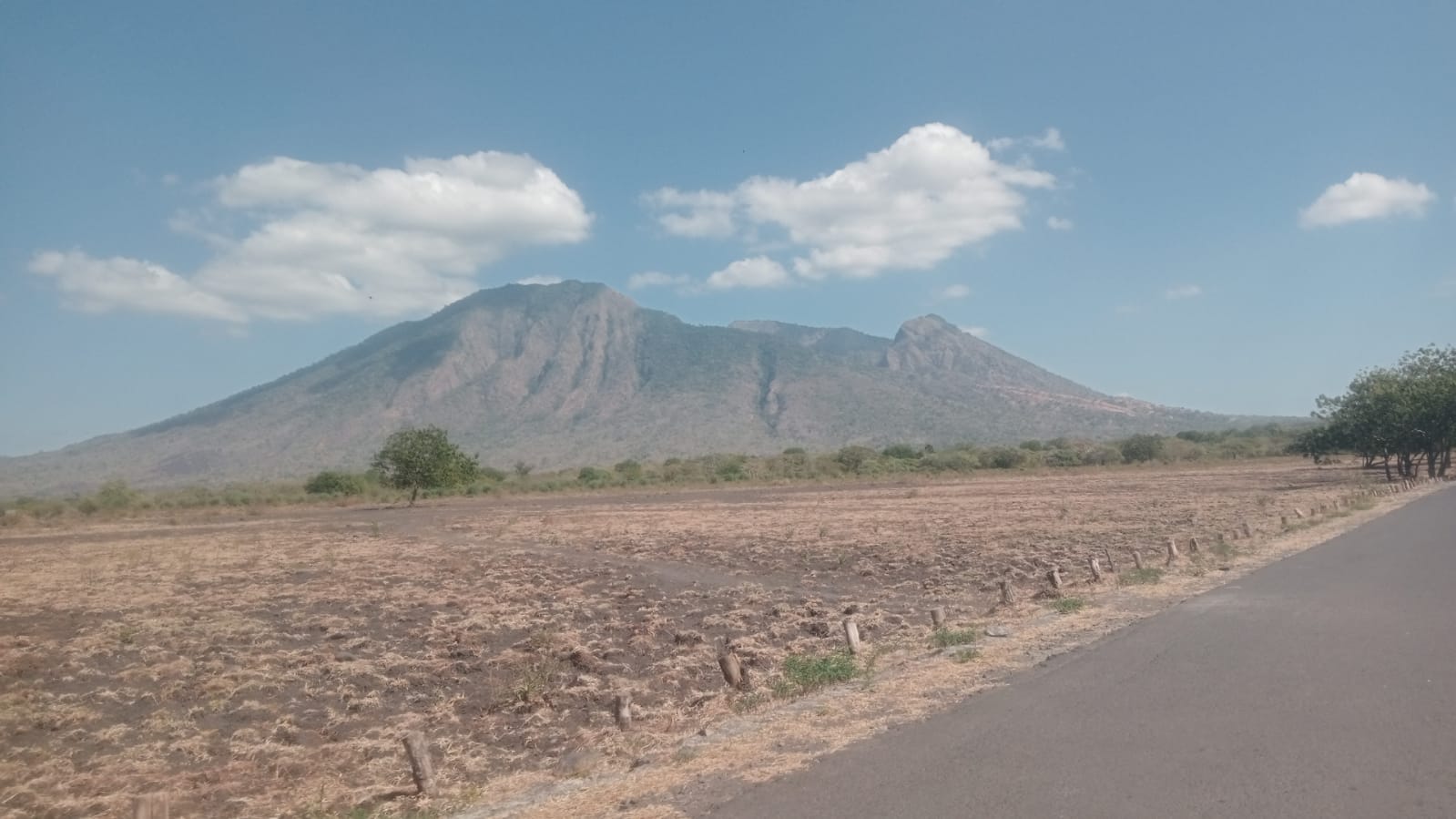

Mount Bromo in East Java, Indonesia, is one of the most iconic travel destinations in Southeast Asia. Known for its surreal volcanic landscapes, breathtaking sunrise views, and rich local culture, this active volcano attracts travelers from all over the world—including a growing number of visitors from Australia.
If you’re planning a journey from Australia to Mount Bromo, this guide covers everything you need to know: from flights and visa requirements, the best time to visit, travel highlights, local cuisine, cultural insights, and practical travel tips. By the end of this article, you’ll be fully prepared to make your Mount Bromo adventure unforgettable.
Why Visit Mount Bromo?
Mount Bromo (Gunung Bromo in Bahasa Indonesia) is part of the Bromo Tengger Semeru National Park. Standing at 2,329 meters above sea level, it’s not the tallest volcano in Indonesia, but it is undoubtedly one of the most famous. Here’s why:
-
The Sunrise at Kingkong Hill: Watching dawn break over Mount Bromo, Mount Batok, and Mount Semeru is a bucket-list experience.
-
The Sea of Sand: A vast desert-like plain of volcanic ash that feels like another planet.
-
The Active Crater: Hike to the rim of an active volcano and witness smoke rising from its depths.
-
Savanna & Teletubbies Hill: A lush, green contrast to the barren volcanic desert.
-
Cultural Richness: The Tenggerese people who live here still practice traditional rituals, including the annual Kasada Festival.
For Australian travelers seeking a mix of natural beauty, adventure, and authentic culture, Mount Bromo is an unparalleled destination.
How to Get to Mount Bromo from Australia
Traveling from Australia to Mount Bromo is relatively straightforward, thanks to multiple international connections between Australian cities and Indonesia. Here’s a step-by-step guide:
1. Flights to Indonesia
Most Australian travelers begin their journey by flying into Surabaya (Juanda International Airport – SUB) or Bali (Ngurah Rai International Airport – DPS). Both serve as key gateways to East Java.
-
Direct International Flights:
-
Sydney to Bali: 6–7 hours
-
Perth to Bali: 3.5 hours (the shortest and most popular route)
-
Melbourne to Bali: 6–7 hours
-
Brisbane to Bali: 6–7 hours
-
From Bali, you can continue with a 1-hour domestic flight to Surabaya, making it easy to connect to East Java without a long overland journey.
-
Alternative Route: Travelers from Perth have an advantage—direct flights to Surabaya (about 4 hours) are available with Garuda Indonesia or Citilink, saving both time and cost.
Tip: When booking flights, consider arriving in Surabaya in the afternoon or evening, so you can rest overnight before heading to Mount Bromo the next morning.
2. Overland Journey to Bromo
Once you arrive in Surabaya (or Malang), the overland trip to Mount Bromo begins.
-
From Surabaya: The journey takes around 3–4 hours by car. The most convenient way is to arrange a private driver, shuttle, or join a tour package that includes airport pickup.
-
From Malang: For those who want a slower pace, Malang is a charming city worth exploring before heading to Bromo. The drive from Malang to Bromo is about 2–3 hours and is famous for its scenic mountain views.
Both routes lead you to Cemoro Lawang, the nearest village to Mount Bromo, where most accommodations and tour operators are located.
Travel Tip for Australians: Many tours offer overnight options that start directly from Surabaya airport. This means you can land in Surabaya in the evening, rest for a few hours in a hotel or homestay, and begin your sunrise jeep tour at around 2–3 AM the next day.
Visa and Entry Requirements for Australians (2025)
If you’re an Australian planning a trip to Mount Bromo or other parts of Indonesia, make sure to check the latest entry regulations. As of 2025, the Indonesian government requires all Australian passport holders to have a visa before entry, either through the Visa on Arrival (VOA) program or by applying online for an e-Visa.
1. Visa on Arrival (VOA)
-
Available at major entry points such as Bali (Ngurah Rai Airport), Surabaya (Juanda International Airport), and Jakarta (Soekarno-Hatta International Airport).
-
Fee: approximately USD 35.
-
Validity: 30 days, with the option to extend once for an additional 30 days.
-
Best for travelers who prefer flexibility and a straightforward process upon arrival.
2. E-Visa (Electronic Visa)
-
Can be applied for online before your departure.
-
Allows you to save time upon arrival and skip VOA queues.
-
Recommended for those who want a smoother immigration process.
Additional Entry Requirements
-
Passport Validity: Your passport must be valid for at least 6 months from the date of entry.
-
Proof of Return or Onward Ticket: You’ll be required to present this at immigration.
???? Tip: If you’re planning to stay longer than 60 days, consider applying for a different type of visa in advance, as the VOA and e-Visa cannot be extended beyond the 60-day limit.
Best Time to Visit Mount Bromo
Mount Bromo can be visited year-round, but your experience will vary greatly depending on the season. Indonesia has a tropical climate with two distinct periods:
-
Dry Season (April – October):
This is considered the best time to visit Mount Bromo. Days are typically sunny, skies are clear, and sunrise views are breathtaking. The Sea of Sand is easier to explore, and hiking conditions are more comfortable. Because of the stable weather, this period attracts many international tourists, making it the peak season. -
Wet Season (November – March):
During the monsoon months, the landscape around Bromo becomes lush and green, creating beautiful scenery for photography. However, frequent rains and heavy clouds may block sunrise views. Jeep rides and hikes can also be more challenging due to muddy paths.
For Australian travelers, the timing often aligns with school holidays and seasonal breaks:
-
June – August (Australian Winter Holidays):
This period falls within Indonesia’s dry season, making it the most popular time for Australians to visit. Expect cool temperatures in the early morning, especially during sunrise tours, so packing warm layers is essential. -
December – January (Summer Holidays):
Many Australians travel during their long summer break. While it’s convenient for family trips, keep in mind that this period overlaps with Indonesia’s wet season. You may experience cloudy skies or rain showers, but the green landscape adds a unique charm to your journey.
???? Travel Tip: If you prefer fewer crowds but still want good weather, consider visiting in April–May or September–October. These shoulder months offer a balance of clear skies and a quieter atmosphere.
Mount Bromo Tour Highlights
A trip to Mount Bromo offers a variety of unforgettable experiences. Each stop reveals a different side of East Java’s dramatic volcanic landscape. Here are the highlights you shouldn’t miss:
1. The Sunrise at Kingkong Hill
This is the ultimate highlight of any Mount Bromo adventure. Tours usually begin at 3:00 AM with a jeep ride up to Kingkong Hill, one of the most popular viewpoints. As the first rays of sunlight appear, the panoramic view of Mount Bromo, Mount Batok, and the towering Mount Semeru in the background creates an otherworldly scene. The golden hues, rolling mist, and vast caldera make this sunrise one of the most photographed in Asia.
2. The Sea of Sand
Encircling Mount Bromo is a wide expanse of volcanic ash known as the “Lautan Pasir” or Sea of Sand. This desert-like landscape feels like stepping onto another planet. You can explore it by jeep or ride on horseback for a more adventurous experience. The vastness of the plain makes it a perfect spot for photography, especially with the volcano looming in the distance.
3. Bromo Crater Hike
After crossing the Sea of Sand, visitors climb around 250 steps to reach the rim of Mount Bromo’s active crater. From the top, you can peer directly into the smoking heart of the volcano. The sound of rumbling earth and the smell of sulfur remind you of the raw power beneath your feet. It’s a short but exhilarating hike that rewards you with a truly dramatic view.
4. Savanna & Teletubbies Hill
On the opposite side of Bromo lies a lush, green savanna dotted with rolling hills. Nicknamed “Teletubbies Hill” because of its resemblance to the children’s TV show landscape, this area is a refreshing contrast to the stark desert. During the rainy season, the hills turn vibrant green, creating a picture-perfect backdrop for picnics, photos, and relaxing after your hike.
5. Whispering Sand
This quieter part of the Bromo landscape is known as “Pasir Berbisik” or Whispering Sand. When the wind blows across the fine volcanic ash, it produces soft, whisper-like sounds. The atmosphere here is serene and almost mystical, offering a peaceful break from the more crowded viewpoints. It’s also a popular spot for photographers and filmmakers thanks to its surreal ambiance.
???? Each of these highlights showcases a different side of Mount Bromo—fiery sunrises, barren volcanic deserts, lush green hills, and spiritual serenity—making it one of the most diverse and fascinating natural attractions in Indonesia.
Cultural Experience: The Tenggerese People
The Tenggerese people, who inhabit the highlands surrounding Mount Bromo, are direct descendants of the ancient Majapahit kingdom. Despite centuries of change, they have preserved many aspects of their ancestral culture, spirituality, and way of life. Their traditions are closely tied to the natural environment, with Mount Bromo serving as a sacred centerpiece in their belief system.
The most renowned expression of their culture is the Yadnya Kasada Festival, a spectacular annual event usually held in July or August. During the ceremony, Tenggerese villagers climb the slopes of Mount Bromo to present offerings such as vegetables, fruits, livestock, rice, and even money into the volcano’s crater. This ritual is performed to honor Sang Hyang Widhi (the Almighty God) and the mountain gods, as well as to give thanks for blessings and seek protection for their community.
For Australian travelers with an interest in anthropology, cultural heritage, or immersive experiences, witnessing the Yadnya Kasada Festival offers profound insight into the Tenggerese way of life. Beyond the ritual itself, visitors can explore Tenggerese villages, where traditional houses, farming practices, and hospitality reflect a harmonious balance between people and nature. This cultural encounter adds a deeply human dimension to the breathtaking natural beauty of Mount Bromo.
Food and Dining Near Mount Bromo
Exploring Mount Bromo isn’t complete without sampling the flavors of East Java. After a cold morning hike to the crater or sunrise viewpoint, nothing feels better than warming up with hearty local dishes that reflect the region’s rich culinary heritage.
Some must-try favorites include:
-
Nasi Goreng (Fried Rice): Indonesia’s most iconic comfort food, typically served with a fried egg, pickles, and crackers.
-
Bakso (Meatball Soup): A hot bowl of beef or chicken meatballs in savory broth—perfect for the mountain’s chilly climate.
-
Sate Ayam (Chicken Satay): Grilled skewers of tender chicken, paired with rich peanut sauce.
-
Rawon: A signature East Javanese dish made of beef simmered in a dark, aromatic broth flavored with keluak nuts.
-
Tempeh and Tofu Dishes: Nutritious, budget-friendly vegetarian staples that are widely available.
For travelers seeking more familiar flavors, most hotels, guesthouses, and local cafés also offer simple Western meals such as pancakes, sandwiches, and pasta. To complete the experience, warm up with a cup of bold Javanese coffee or soothing ginger tea, both popular choices among visitors and locals alike.
Whether you’re dining in a small warung (local eatery) or enjoying breakfast at your accommodation, food around Mount Bromo is more than just a meal—it’s part of the cultural journey.
Accommodation Options Near Mount Bromo
Finding the right place to stay is an essential part of planning a Mount Bromo tour. Whether you’re traveling solo on a tight budget or seeking a more comfortable and luxurious retreat, there are plenty of options to suit every type of traveler. The majority of accommodations are located in Cemoro Lawang, the closest village to Mount Bromo, or in Probolinggo, a nearby town with more variety and easier access to transport.
-
Budget Options (USD 10–20 per night):
Backpackers and budget travelers often choose simple guesthouses and homestays in Cemoro Lawang. These usually provide basic rooms with shared bathrooms, offering an authentic local experience. While amenities are modest, staying here puts you just minutes away from Bromo’s viewpoints, perfect for catching the sunrise without long travel times. -
Mid-range Options (USD 30–60 per night):
For those seeking comfort at an affordable price, mid-range hotels and mountain lodges are widely available. Expect private bathrooms, hot showers (a must in the cold mountain air), and sometimes in-house restaurants serving both Indonesian and Western meals. Many lodges also help arrange jeep tours to the crater, making your stay more convenient. -
Luxury Options (USD 80 and above):
Travelers who prefer upscale comfort can choose from high-end resorts, boutique hotels, and private villas around Probolinggo or Malang. These properties often feature spacious rooms, modern facilities, and personalized services such as private guides and customized tour packages. Some luxury stays also provide scenic views of the Tengger caldera, making your Bromo trip truly memorable.
Whether you’re after affordability, balance, or indulgence, Bromo’s wide range of accommodations ensures every traveler finds the right base for exploring this iconic volcano.
Suggested Itinerary for Australians
3-Day Bromo Tour from Surabaya
Day 1:
-
Fly into Surabaya or Malang.
-
Transfer to hotel near Bromo.
-
Rest and prepare for early morning hike.
Day 2:
-
3 AM jeep ride to Kingkong Hill for sunrise.
-
Explore the Sea of Sand, Bromo crater hike, and Teletubbies Hill.
-
Return to hotel for breakfast.
-
Optional afternoon village tour.
Day 3:
-
Transfer back to Surabaya.
-
Connect flight to Bali, Jakarta, or return to Australia.
Tips for Australian Travelers
Planning a Mount Bromo adventure from Australia can be a once-in-a-lifetime journey, but being well-prepared makes all the difference. Here are some detailed tips to help Australians enjoy their trip smoothly and comfortably:
-
Pack Warm Clothes:
Despite Indonesia’s tropical climate, Mount Bromo’s altitude means chilly mornings and evenings. Temperatures often drop to 5–10°C at dawn, especially at the sunrise viewpoints. Pack a warm jacket, scarf, gloves, and comfortable walking shoes to stay cozy while enjoying the breathtaking views. -
Bring Cash:
Credit cards are not widely accepted in rural areas, and ATMs can be scarce around Cemoro Lawang and the Bromo Tengger Semeru National Park. Carry enough Indonesian Rupiah, preferably in small denominations, as you’ll need cash for entrance fees, local snacks, jeep rentals, or tipping guides. -
Book in Advance:
Mount Bromo is one of Indonesia’s most popular tourist attractions. During Australian school holidays (June–August and December–January), demand for hotels and tours increases sharply. To avoid last-minute stress, secure your flights, accommodations, and jeep tours well ahead of time. -
Travel Insurance:
As with any overseas trip, travel insurance is strongly recommended. It should cover medical emergencies, trip cancellations, and lost belongings. Given that Bromo involves outdoor activities like hiking and jeep rides, ensure your policy includes coverage for adventure travel. -
Altitude Adjustment:
Mount Bromo sits at a moderate altitude of around 2,300 meters above sea level. Most travelers adapt easily, but some may feel light fatigue or shortness of breath. Stay hydrated, pace yourself when hiking, and avoid overexertion, especially during the climb to the crater rim. -
Stay Connected:
Mobile data coverage is limited in remote areas, especially before dawn on the mountain. Buy an Indonesian SIM card at the airport in Surabaya or Bali for better connectivity during your trip. -
Respect Local Culture:
The Tenggerese people, who live around Mount Bromo, follow traditional customs and rituals. Dress modestly, be polite when taking photos, and if you happen to visit during the Yadnya Kasada Festival, observe respectfully.
By following these tips, Australian travelers can enjoy a safer, more comfortable, and culturally enriching Mount Bromo experience.
Combining Mount Bromo with Other Destinations
For Australian travelers, a Mount Bromo tour often fits perfectly into a broader Indonesian holiday. Since most flights arrive via Bali or Surabaya, it’s easy to combine your volcano adventure with other iconic destinations in Indonesia. This not only maximizes the value of your long-haul flight but also gives you a chance to experience the diversity of Indonesian landscapes and cultures.
-
Bali – Island of the Gods
Many Australians already consider Bali a top holiday destination thanks to its beaches, surf spots, temples, and nightlife. Combining Bali with Bromo is simple: you can fly directly from Denpasar (Bali) to Surabaya in just over an hour, then continue by car to the volcano. This option is perfect if you want to balance adventure with relaxation—imagine trekking Bromo at sunrise and then unwinding on Bali’s golden beaches. -
Ijen Crater – The Blue Fire Experience
About 5 hours by car from Bromo lies the Kawah Ijen volcano, famous for its blue flames, sulfur mining activities, and stunning turquoise crater lake. Many tour operators offer a combined Bromo–Ijen package, which allows you to witness two of Java’s most extraordinary volcanic landscapes in a single trip. For Australians who love unique natural wonders, this combination is a must. -
Yogyakarta – The Cultural Heart of Java
If you’re interested in history and culture, add Yogyakarta to your itinerary. A short flight from Surabaya takes you to this vibrant city, home to Borobudur (the largest Buddhist temple in the world) and Prambanan (a magnificent Hindu temple complex). Yogyakarta also offers traditional art, batik workshops, and authentic Javanese cuisine, making it a fantastic complement to the natural adventure of Bromo.
By combining Bromo with Bali, Ijen, or Yogyakarta, Australian travelers can create a well-rounded journey that covers adventure, culture, and relaxation. Whether you’re on a two-week holiday or a shorter getaway, these combinations make your Indonesian trip more rewarding and unforgettable.
Contact Us
For inquiries, bookings, or customized Mount Bromo tours from Australia, contact us:
License No: 0220002760894
Phone / WhatsApp: +6282142961911
Our team specializes in guiding international travelers, including Australians, ensuring a safe, smooth, and memorable Bromo adventure.
